Gutter Blockage Removal in Monmouth County, NJ
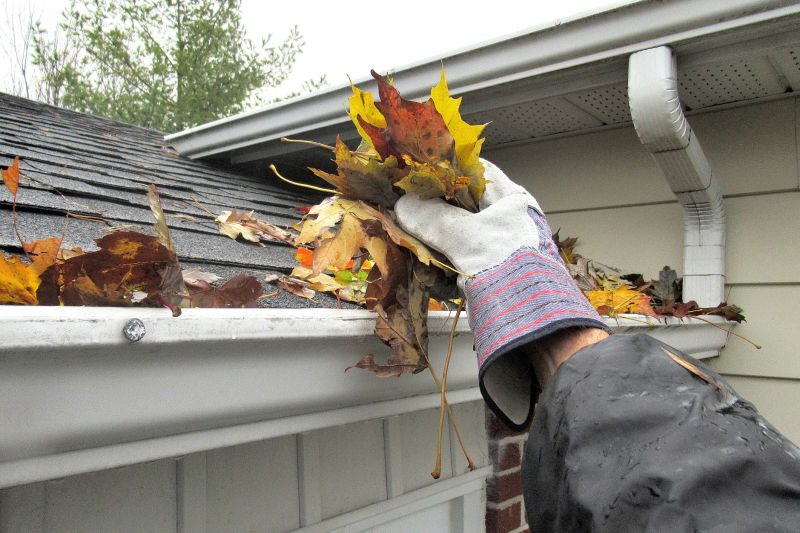
Gutter blockage removal services focus on clearing debris, leaves, and other materials that can obstruct the flow of water through a property's gutter system. These services are suitable for a variety of projects, including routine maintenance to prevent water damage, clearing after storms, or addressing specific clogs that cause overflows or leaks. Homeowners often seek this service to protect their roofs, foundations, and landscaping from potential water-related issues, ensuring that rainwater is directed away from the property effectively.
Before requesting gutter blockage removal, property owners usually want to understand the scope of the work involved, including whether the service covers only accessible areas or requires additional equipment for hard-to-reach sections. It’s also helpful to clarify if the service includes inspecting the entire gutter system for damage or leaks that might need further attention. Knowing these details can assist in planning maintenance and ensuring the gutters function properly during heavy rainfall.
Many property owners in Monmouth County, NJ look into Gutter Blockage Removal for repairs, replacements, upgrades, and appearance-related improvements.
Signs Of Gutter Blockage
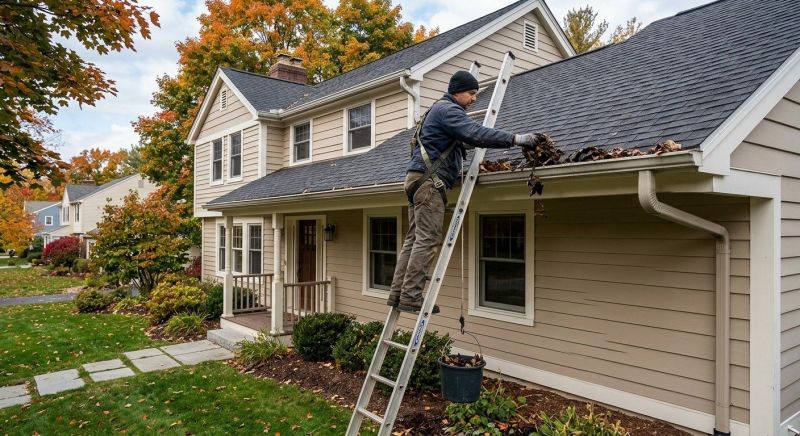
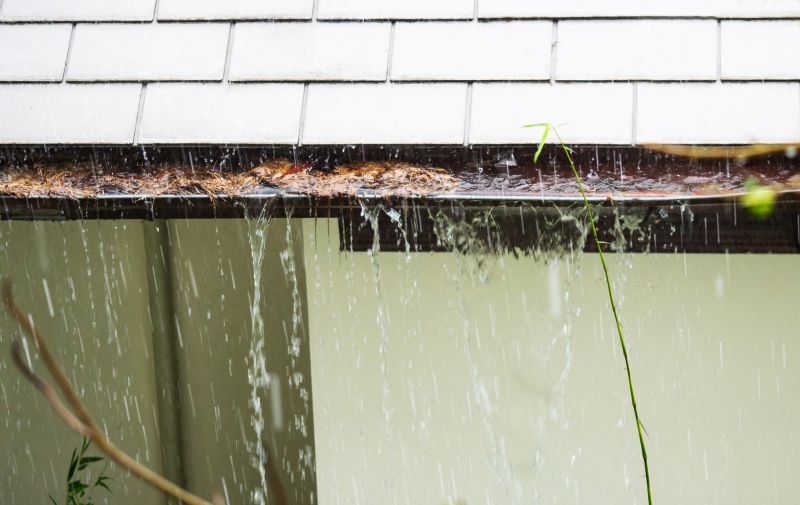
Clogged gutters can cause water overflow and damage to your home's foundation.
Common Causes Of Blockages
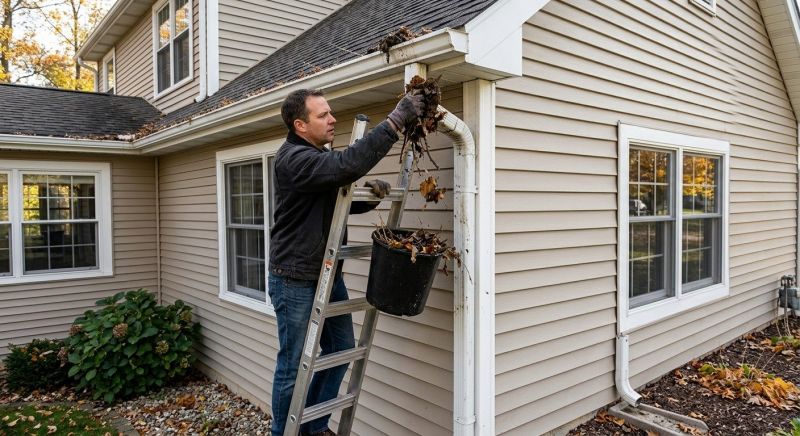
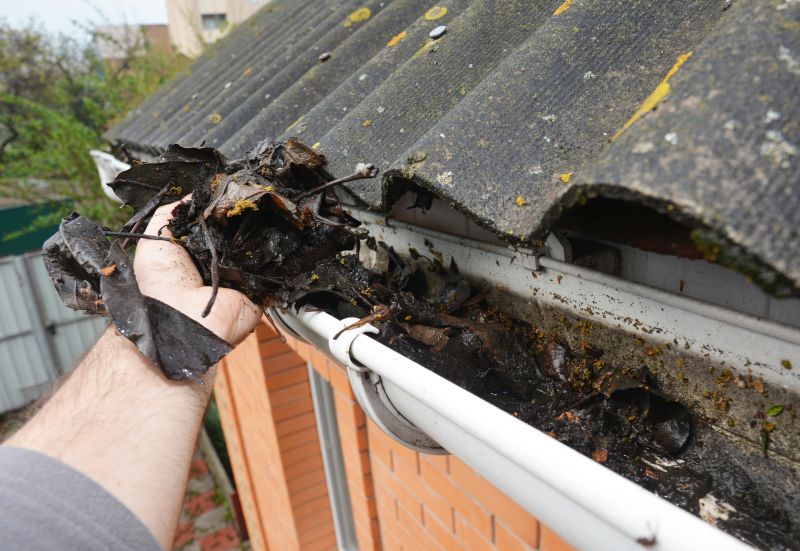
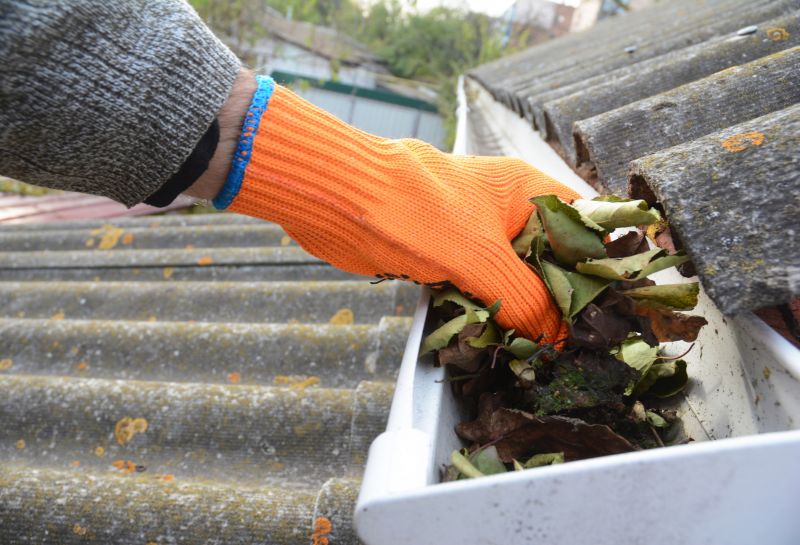
Leaves, twigs, and debris often lead to gutter clogs, especially during fall in monmouth county.
Benefits Of Regular Maintenance
Removing blockages helps prevent water damage and extends the lifespan of gutter systems.
Gutter Blockage Removal in Monmouth County, NJ
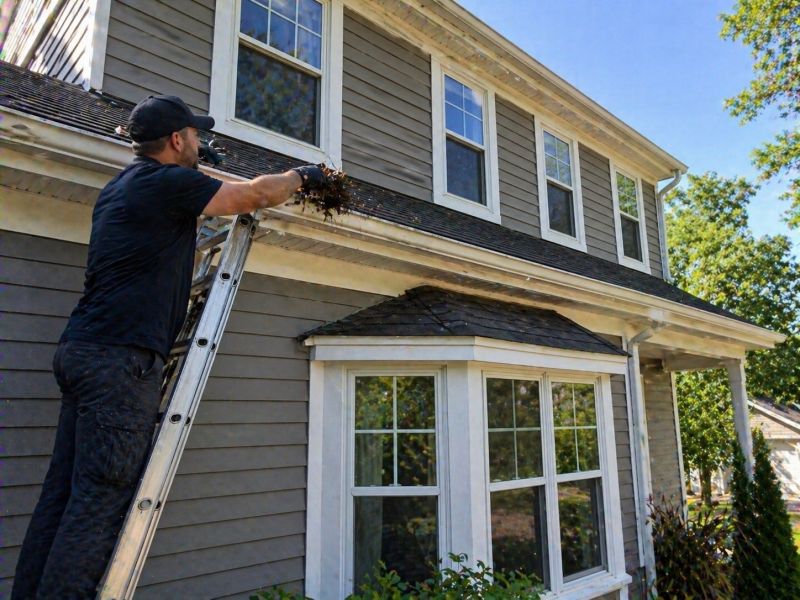
Gutter blockage removal services focus on clearing debris, leaves, and other materials that can obstruct the flow of water through a property's gutter system. These services are suitable for a variety of projects, including routine maintenance to prevent water damage, clearing after storms, or addressing specific clogs that cause overflows or leaks. Homeowners often seek this service to protect their roofs, foundations, and landscaping from potential water-related issues, ensuring that rainwater is directed away from the property effectively.
Before requesting gutter blockage removal, property owners usually want to understand the scope of the work involved, including whether the service covers only accessible areas or requires additional equipment for hard-to-reach sections. It’s also helpful to clarify if the service includes inspecting the entire gutter system for damage or leaks that might need further attention. Knowing these details can assist in planning maintenance and ensuring the gutters function properly during heavy rainfall.
Many property owners in Monmouth County, NJ look into Gutter Blockage Removal for repairs, replacements, upgrades, and appearance-related improvements.
Common Gutter Blockage Removal Jobs
Gutter Cleaning - removal of debris to prevent blockages and water overflow.
Clog Removal - clearing of leaves, twigs, and dirt that cause gutter clogs.
Downspout Clearing - ensuring water flows freely through all downspouts and extensions.
Gutter Flushing - rinsing out gutters to remove dirt buildup and check for proper drainage.
Vegetation Removal - clearing out plant growth that can obstruct gutter systems.
Blockage Inspection - identifying and addressing potential obstructions before damage occurs.
Gutter Blockage Removal Questions
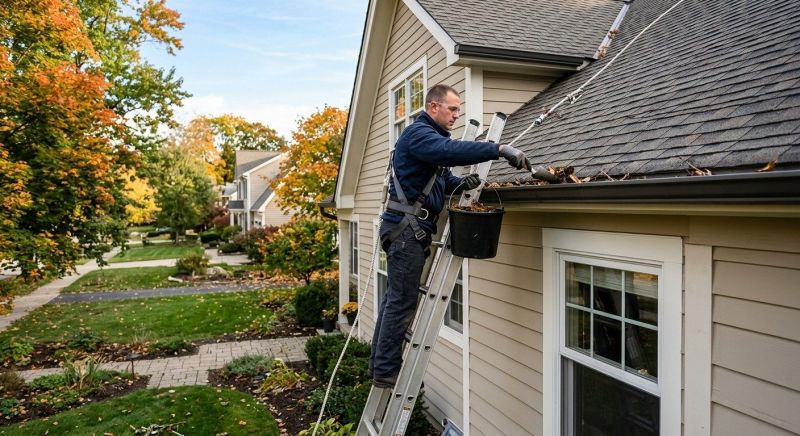
What causes gutter blockages? Leaves, twigs, and debris often accumulate and clog gutters, especially during fall or after storms.
How can I tell if my gutters are blocked? Signs include overflowing water, sagging gutters, or water pooling around the foundation.
What are the risks of clogged gutters? Blockages can lead to water damage, foundation issues, and roof problems if not addressed.
Why should gutter blockage removal be scheduled regularly? Routine removal helps prevent buildup and maintains proper drainage around the property.
Request Gutter Blockage Removal in Monmouth County, NJ
Use the quote form on this page to share the basics of your project and request more information for the type of work you need.